
How much do new brake pads cost?
The easiest way to compare prices is to look at pads for the same vehicle and axle. Comparing a front set for a work ute with rear pads for a small hatchback won’t tell you much.
It also pays to check exactly what the price covers. A pad listing is usually for the parts alone. Workshop labour, rotor work and repairs to other components are separate.
Here are two price examples from our range:
Application shown on the listing
Selected Ford Falcon and Territory front brake pads
NZ$115.99
VIEW PRODUCT
Application shown on the listing
Selected Subaru Forester, Impreza, Legacy and Outback rear brake pads
NZ$118.99
VIEW PRODUCT
These give you an idea of individual product prices, rather than a price range for every vehicle. Check the linked listing for the current price, exact vehicle fitment and pack contents before ordering.
You can browse our everyday brake pads or ask our team for a parts price for your vehicle.
What affects the price of brake pads?
Your vehicle and brake setup
Different vehicles use different pad shapes, sizes and hardware. Even the same model can have more than one brake setup, depending on its build details and specification.
Front and rear sets can cost different amounts too. Make sure you’re comparing parts for the axle that needs work.
The pad material and how you use the vehicle
The friction material affects how a pad behaves, including its braking response, noise, dust and wear.
For the daily commute, school run or weekend trip, go with with a pad designed for normal road use. If you regularly tow the boat or carry a load of tools, let us know so we can help match the pads to that workload.
Spending more doesn’t automatically get you a better pad for your driving. A competition pad can have operating requirements that don’t suit an everyday car.
Clips, hardware and wear sensors
Check what comes in the box. Some sets include clips, shims or wear sensors. Others need those items ordered separately.
Compare the full parts requirement before deciding which option costs less. A cheaper set may leave you with extra hardware to buy.
Brake pad prices versus fitted costs
A parts price and a workshop’s fitted quote cover different things. The fitted total can include inspection, labour, replacement hardware and checks before the vehicle goes back on the road.
Ask for a breakdown so you know what you’re paying for.
What to check
The brand, part number and axle being serviced.
What to check
Inspection, removal, fitting and final operating checks.
What to check
Their condition and any machining or replacement needed.
What to check
What’s included and what costs extra.
What to check
Why any calliper, hose or fluid work is needed.
GST, consumables and any additional charges.
Agree with the workshop that they’ll contact you before doing extra work. That gives you a chance to understand what they’ve found and approve the cost.
If the quote includes rotor work, our guide to brake rotor replacement and machining explains the options.
Are brake pads universal?
No. Brake pads need to match the brakes fitted to your vehicle.
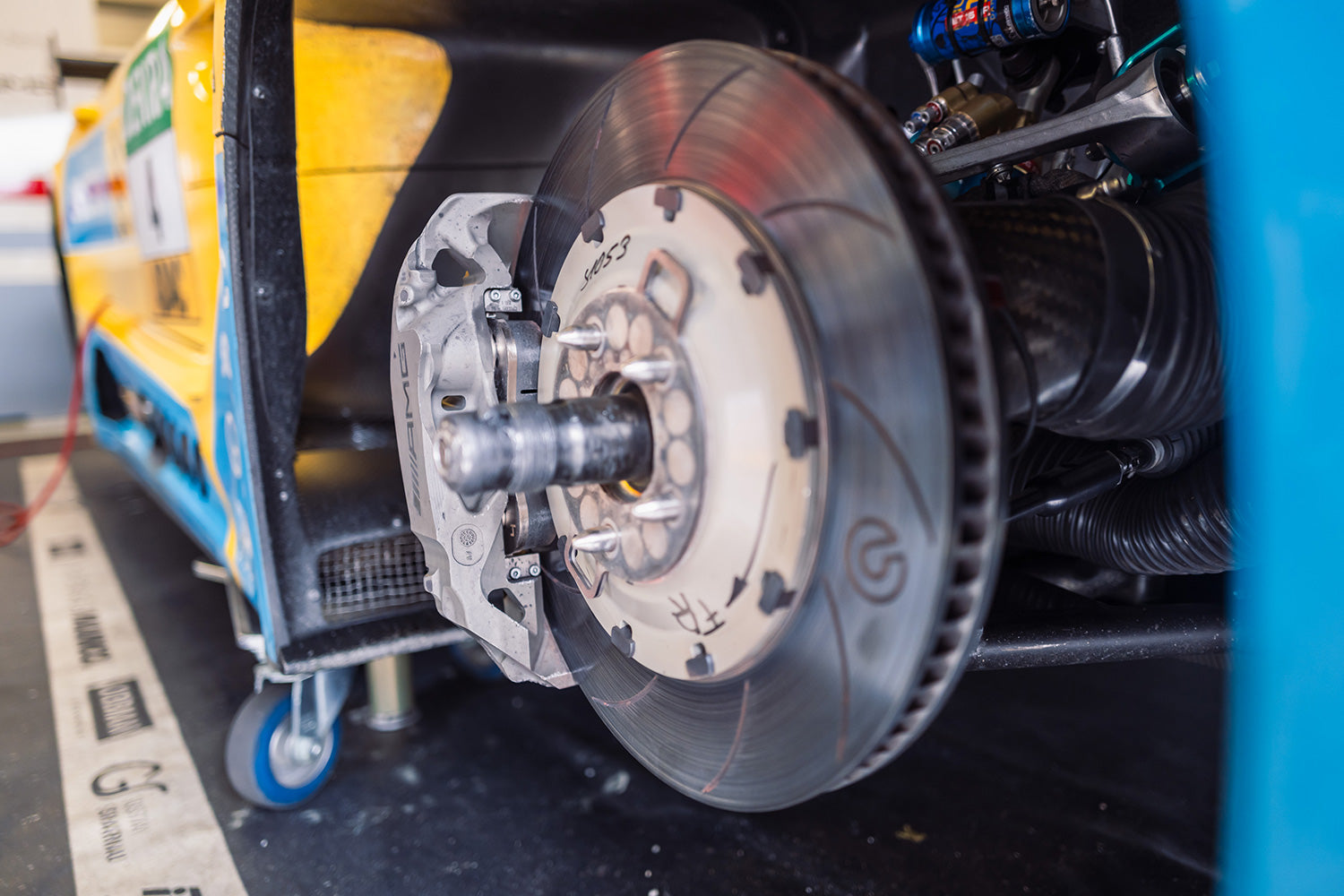
The shape of the backing plate, pad thickness, mounting details and sensor arrangement all matter. Looking close enough isn’t enough.
Two cars with the same model name and year can have different brake packages. Front and rear pads aren’t interchangeable just because they look similar, either.
Previous modifications can complicate things too. If someone has upgraded the callipers or changed the brake setup, a registration search may return parts for the original brakes.
If the catalogue result doesn’t match what’s on the car, check before ordering.
How to find the right brake pads
1. Have your vehicle details ready
Start with your registration, make, model, build year and engine details. A VIN or chassis number can help narrow things down if the application is unclear.
Tell us which axle needs pads and mention any brake upgrades or modifications. Import and build details can also help identify the correct parts.
2. Check the catalogue against the vehicle
You can use the DBA parts finder to look up suitable applications. Select New Zealand where available and check the details returned.
If the listed parts don’t line up with the fitted brakes or the old part number, get it checked before buying. Our team can help work through the difference.
3. Check how much one set covers
A brake pad set commonly covers both wheels on one axle. It doesn’t normally mean pads for all four wheels.
Read the listing to confirm the quantity, pack contents and intended position. Brake designs vary, so don’t rely on a standard pad count.
4. Choose for the driving you actually do
Tell us how the vehicle earns its keep. Daily commuting, towing a trailer, carrying gear and longer road trips can all influence the choice.
For an everyday car, the aim is a suitable road-use pad that works properly with the braking system. You don’t need a racing application for the trip to work.
Questions to ask before ordering
A quick check before buying can save a fair bit of hassle:
- Does this set fit my exact vehicle and brake setup?
- Is it for the front or rear axle?
- Does it cover both wheels on that axle?
- What hardware comes with it?
- Do I need separate wear sensors?
- Is it suited to how I use the vehicle?
- What’s the current price, including any extra parts needed?
Still working out if the pads are due? Our brake pad lifespan and wear guide explains the signs and checks.
For the fitting side, read our DIY guide to changing brake pads.